- Our Wander
- Posts
- What We Wish We Knew About Kagoshima Before We Went: A Travel & Food Guide
What We Wish We Knew About Kagoshima Before We Went: A Travel & Food Guide
Kagoshima hides a secret in its volcanic soil. How to best enjoy the famous 'Three Black Meats' and the Sakurajima mistake we made during our visit!

Ben
May 15, 2026
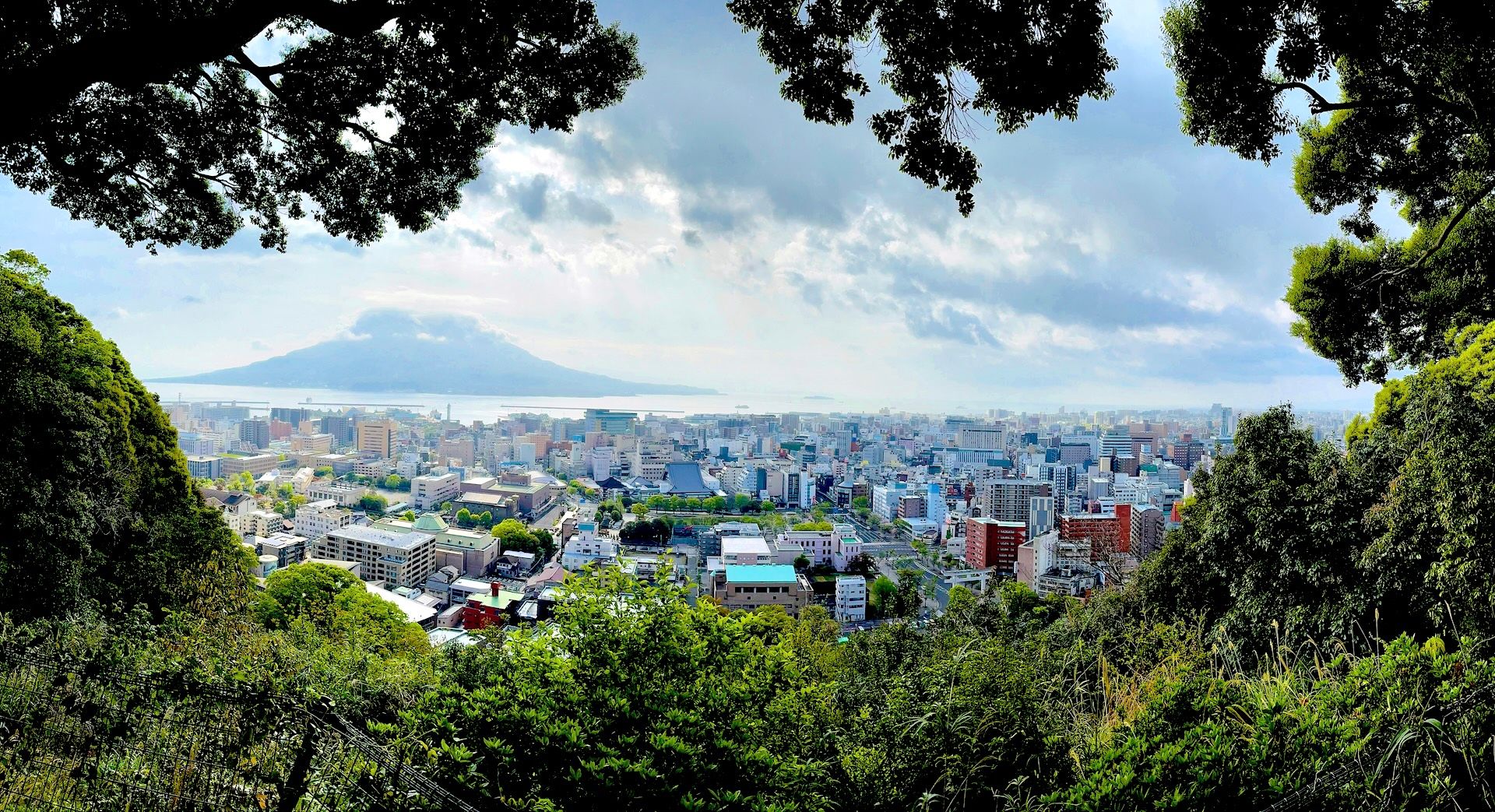
View of Sakurajima and Kagoshima from Shiroyama Park Observation Deck
This article marks the fourth and final part of our Kyushu series. Kagoshima was a city that truly surprised us! We arrived expecting a simple stopover and left with a deep appreciation for its history and culinary depth.
Kagoshima is definitely worth the 3.5 hours drive down from Fukuoka. We would have planned for a 4D3N stay if we knew it would have so much to offer. This guide provides the recommendations and tips we wished we had for our 3 days stay.
This blog is reader-supported. When you book or buy through the links on our site, we may earn an affiliate commission at no additional cost to you. Thank you for your support!
Kagoshima Food Guide: Top Agricultural Produce and Must-Buy Food Souvenirs
 3 different types of Satsuma-age |  Assorted sashimi including Kibinago |
Kagoshima’s fertile volcanic soil and warm climate make it an agricultural powerhouse. The prefecture stands as one of Japan's top producers of sweet potatoes, green tea, and bonito. This rich harvest translates directly into Kagoshima being a foodies’ paradise, seeking out excellent local delicacies that double as perfect edible souvenirs.
We bought Kagoshima’s food souvenirs from the tax-free shop Kagoichi at Tenmonkan. When building your itinerary and shopping list, look for these essential local specialties:
Satsuma-imo (Sweet Potatoes) & Green Tea: The mineral-dense soil yields exceptionally sweet potatoes and vibrant, flavourful tea. Look for quality packaged tea leaves and sweet potato snacks.
Satsuma-age: This famous deep-fried fish cakes took us by surprise. They are available in plain flavours or stuffed with local vegetables and seafood. Try some from Yamakataya.
Karukan: A traditional, spongy steamed cake made from mountain yam and rice flour, often filled with sweet red bean paste. Our friends raved about the ones we bought from Satsuma Jokiya. Try the tarts from Tenmonkan Festivalo too.
Kibinago: Silver-stripe round herring. You can eat them fresh as sashimi at an Izakaya or purchase them dried to take home.
Jambo-mochi: Large grilled rice cakes served on two skewers with a sweet soy glaze. Many shops sell it near Sengan-en, including this famous one.
Satsuma Shochu: Shochu is a robust local alcohol distilled and Kagoshima is famous for imo-jochu (sweet potato shochu) and kokuto-jochu (brown sugar shochu). There are some bars in Tenmonkan with an extensive collection that offer Shochu tasting.
Must-Eat Food at Kagoshima: 3 Black Meats

Kagoshima Three Black Meats Shabu-Shabu at Karen
We only found out at Kagoshima that it is famous across Japan for its premium livestock, collectively known as the three "black" meats. If you are planning your meals for a 3D2N stay, you must try them at least once. They represent the pinnacle of the region's agricultural dedication.
Kurobuta (Black Pork): This is perhaps Kagoshima's most famous culinary export. Kurobuta pork is renowned for its rich flavour, sweet fat, and melt-in-your-mouth tenderness. We recommend trying either one at this restaurant at Tenmonkan. Their shabu-shabu dinner needs advance reservation.
Kurogyu (Black Beef): Kagoshima is actually the top producer of wagyu beef in Japan. Kurogyu is prized for its exquisite marbling and tender texture.
Kuro Satsuma-dori (Black Chicken): This premium chicken breed offers a firm texture and rich flavor. Locals often enjoy it grilled over charcoal or even served raw as chicken sashimi, a rare delicacy that highlights the freshness of the meat.
We tried the 3-meat shabu-shabu course at Karen Kagoshima Branch. Their Kurobuta and Kurogyu were delicious, but we couldn’t appreciate the Kuro Satsuma-dori.
We recommend trying Kurobuta served as tonkatsu (breaded and deep-fried) or shabu-shabu (hot pot), enjoying Kurogyu yakiniku (Japanese BBQ) where you can grill the cuts to your preference, and skip the chicken.
We use Google Maps and Tabelog to find well-reviewed and highly-rated food places in Tenmokan. Expect to queue for popular restaurants and check if you can make advance reservations for dinner.
Things to Do at Kagoshima
While heavy rain kept us indoors during our time in Kagoshima, we managed to visit a few key spots and mapped out several others for our 3D2N itinerary.

It is fun watching kids play at Yoshino Park
Where We Managed to Visit
This being our Sakura bucket list trip, we prioritized visiting parks while in Kagoshima.
Yoshino Park: It is peaceful watching families play under rows of Sakura trees. The park grounds are expansive and offer wide, unobstructed panoramic views of Sakurajima from afar.
Shiroyama Park Observatory Deck: We visited this deck for its sweeping, elevated views of downtown Kagoshima with the volcano resting in the background.
What to Keep on Your Radar
Due to the rainy weather, we had to skip a few major attractions. If you have clear skies, consider these attractions in your list:
Sengan-en: This traditional Japanese garden belonged to the powerful Shimadzu clan. On a clear day, it offers spectacular, framed views of Sakurajima. 👉🏻 Check ticket prices
Kagoshima City Aquarium: This is an excellent indoor alternative for rainy days. It focuses heavily on marine life native to the local Kagoshima coastal waters. 👉🏻 Check ticket prices
Terukuni Shrine: Located near Tenmonkan district, this is the most significant Shinto shrine in Kagoshima. Include this in your visit to Shiroyama Park.
Getting to Sakurajima: Ferry Costs, Bus Schedules, and the Major Driving Mistake to Avoid

View of Sakurajima from Yoshino Park
Sakurajima, the iconic active volcano across the bay (fun fact: it is not named after the cherry blossom). If you have a rental car, drive it onto the ferry to Sakurajima. We left ours parked the ferry terminal and deeply regretted it.
Without a car, you are bound to the island view bus schedule and route. Since each observatory viewpoint only takes about 10 minutes to enjoy, waiting for the next bus becomes a tedious waste of time. Driving gives you complete control over your pacing and increases the places you can visit. So learn from our mistake and bring your car over.
Sakurajima Transport Logistics
Sakurajima Ferry: ¥250 per adult, one-way. Contactless payment accepted. ¥1,280+ per car (includes passenger fare for the driver). More details about the ferry on their official website.
Sakurajima Island View Bus: This loop bus service covers only a portion of Sakurajima. ¥230 per adult or ¥120 per child per trip. A day pass is ¥500 per adult or ¥250 per child. Contactless accepted.
✳️ If your Kagoshima itinerary is packed, skip the visit to Sakurajima altogether. You can get fantastic panoramic views of the volcano from afar at Yoshino Park and Shiroyama Park. Yoshino is one of the favourite Sakura parks in our trip, and we highly recommend it.
Where to Stay in Kagoshima
Staying in the Tenmonkan district, the bustling heart of the city, places you within easy walking distance of the best food, shopping (eg. Don Donki is opened 21 hours), and transport.

We stayed at Remm Kagoshima for two nights. It sits right next to the Tenmonkan shopping street and near Yamakataya Department Store. If you visit their food basement in the evening, you will find it bustling with locals shopping for dinner. It is the perfect place to hunt for discounted sashimi, bento boxes, and local delicacies.
However, our room at Remm Kagoshima is compact. If you need more space for luggages, consider an alternative across the road - Daiwa Roynet Hotel Kagoshima Tenmonkan Premier. It offers slightly larger rooms and bathrooms.
Remm provides subsidized parking next to it. Daiwa Roynet’s subsidized parking is 5-8 minutes walk away.
👉🏻 Check latest room rates and availability for Remm
👉🏻 Check latest room rates and availability for Daiwa Roynet
This article concludes our four-part Kyushu series. To build your complete road trip, check out our other Kyushu guides for detailed itineraries, driving tips, and hiking routes.
Your support enables us to continue creating comprehensive, free resources like this. When you're ready to book your accommodation, rent your car, or buy attraction tickets for your next trip, simply use our trusted affiliate links. It costs you absolutely nothing extra, but it makes a huge difference in keeping our travel tips and guides updated! Thank you 🤩

Reply